AI provides information, but only humans possess wisdom.
Machines can process data but lack the judgment, ethics and lived experience required for true understanding. Develop your distinctly human capabilities so you can thrive in a digital world, whether you are working with AI technologies or thinking independently of those tools.
Ten great minds from human history provide enduring wisdom as we develop fundamental human capabilities in the age of AI.
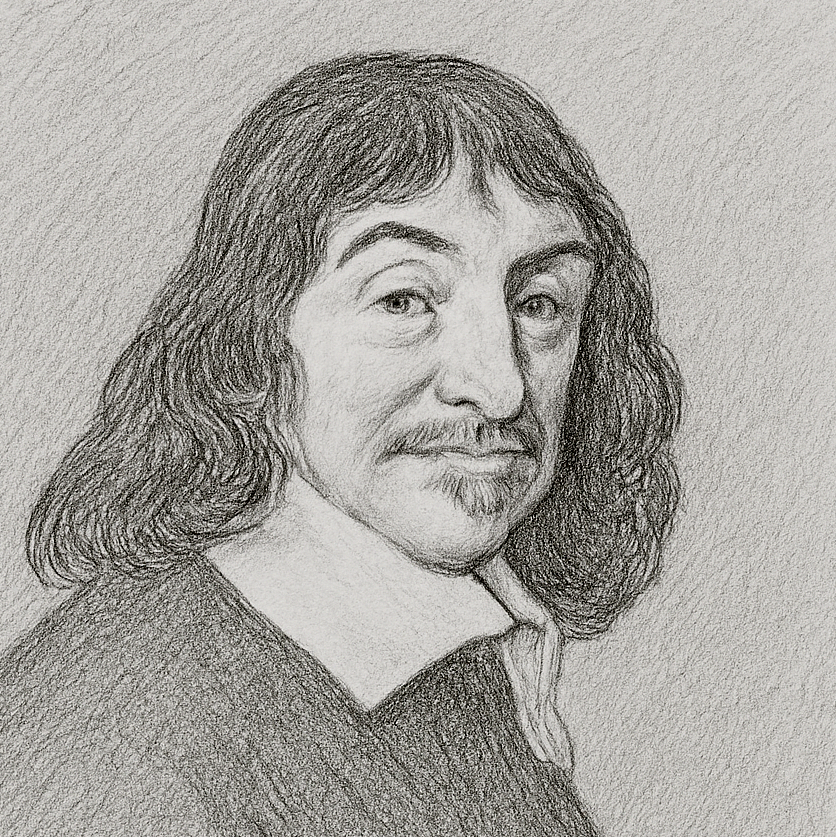
René Descartes
CURIOSITY: “I regard wonder as the first of all the passions.” – 1650
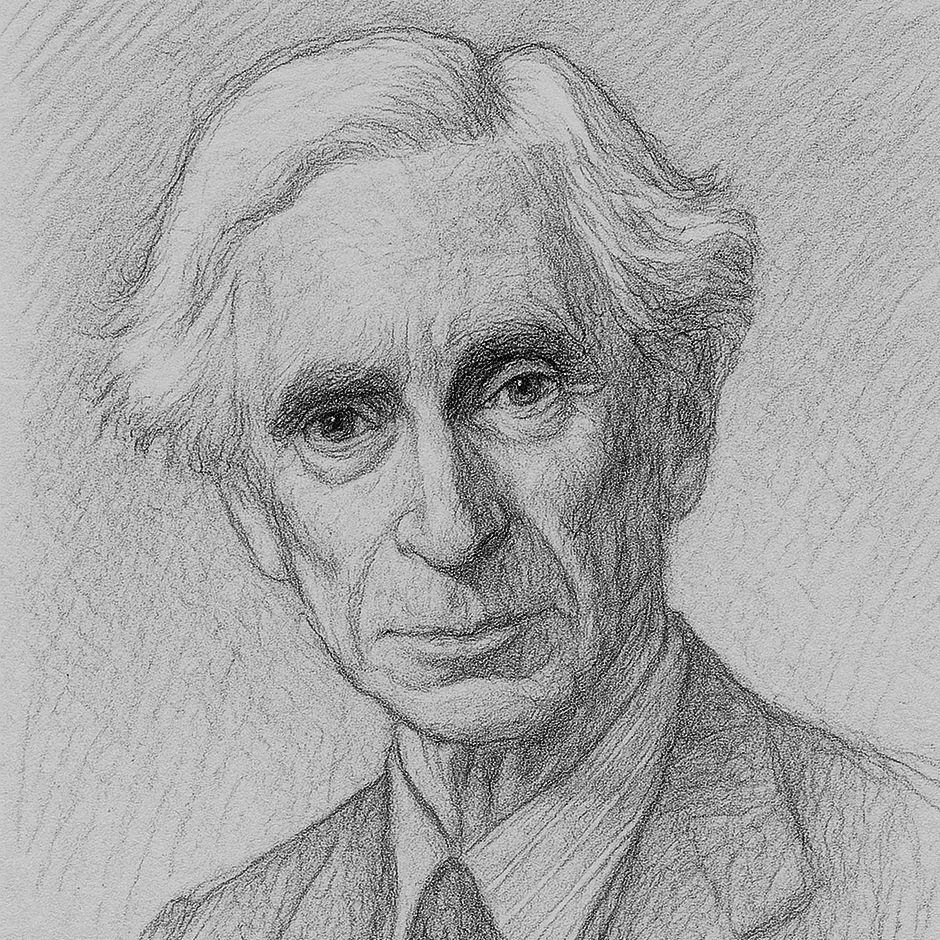
Bertrand Russell
CRITICAL THINKING: “It is undesirable to believe a proposition when there is no ground whatever for supposing it true.” – 1928
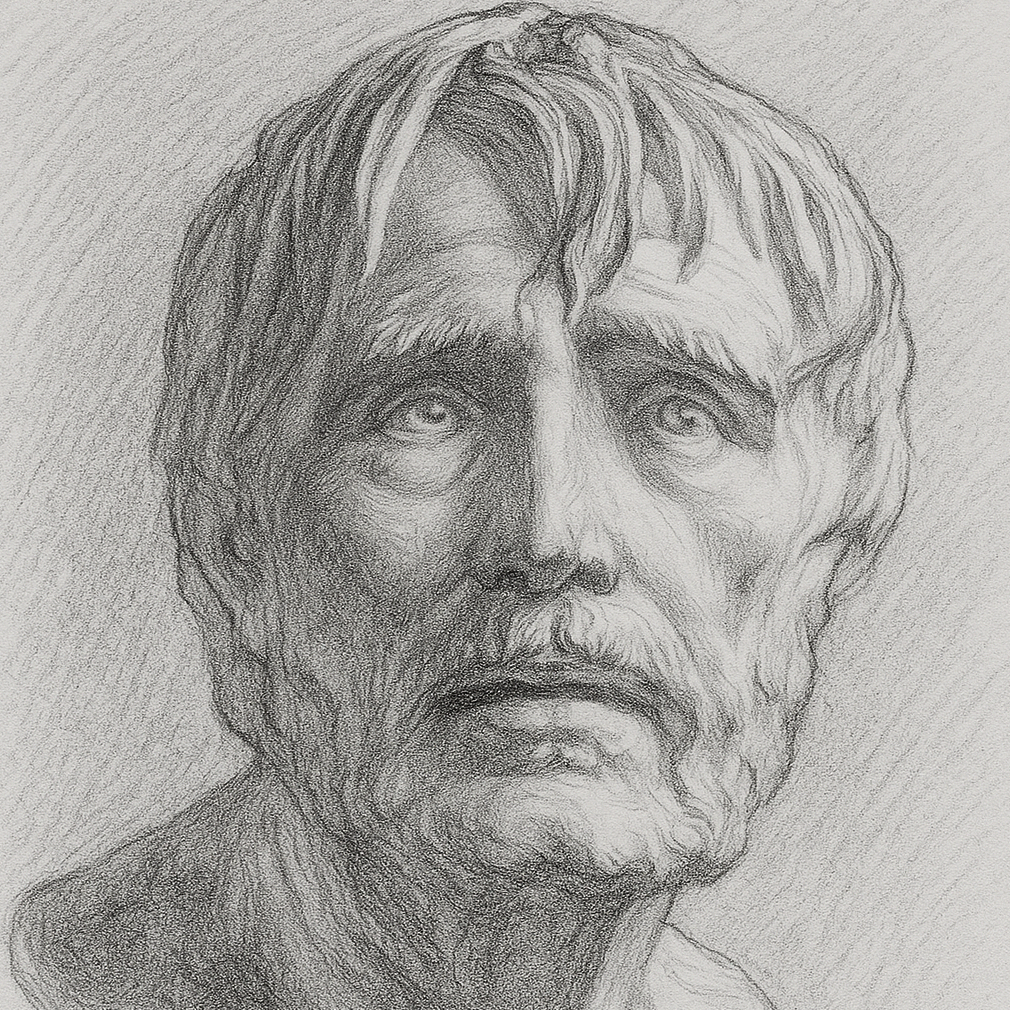
Seneca the Younger
FOCUSED AND DEEP THINKING: “You do not run hither and thither and distract yourself by changing your abode; for such restlessness is the sign of a disordered spirit. … To be everywhere is to be nowhere.” – About 64 AD
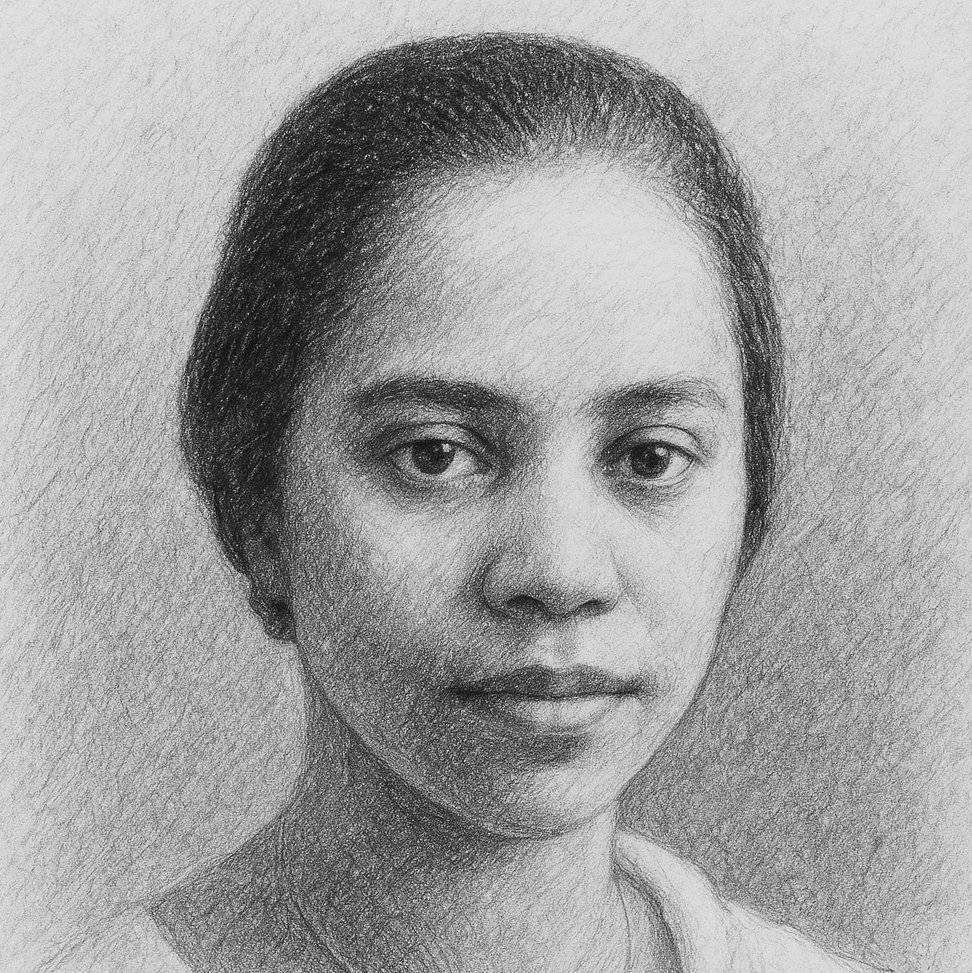
Phillis Wheatley
CREATIVITY: “Imagination! who can sing thy force? / Or who describe the swiftness of thy course? / We on thy pinions can surpass the wind, / And leave the rolling universe behind.” – 1773
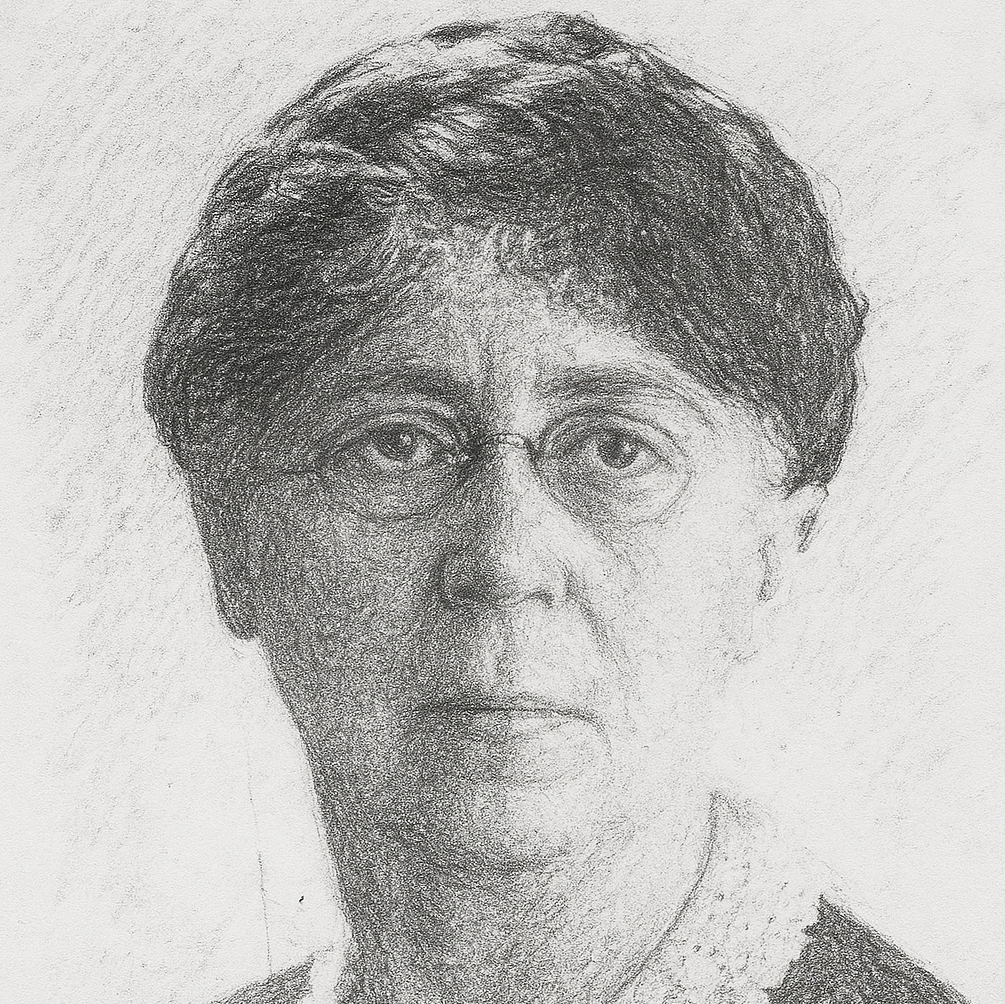
Mary Parker Follett
EMOTIONAL AND SOCIAL INTELLIGENCE: “The individual is created by the social process and is daily nourished by that process. There is no such thing as a self-made man. What we think we possess as individuals is what is stored up from society, is the subsoil of social life.” – 1918
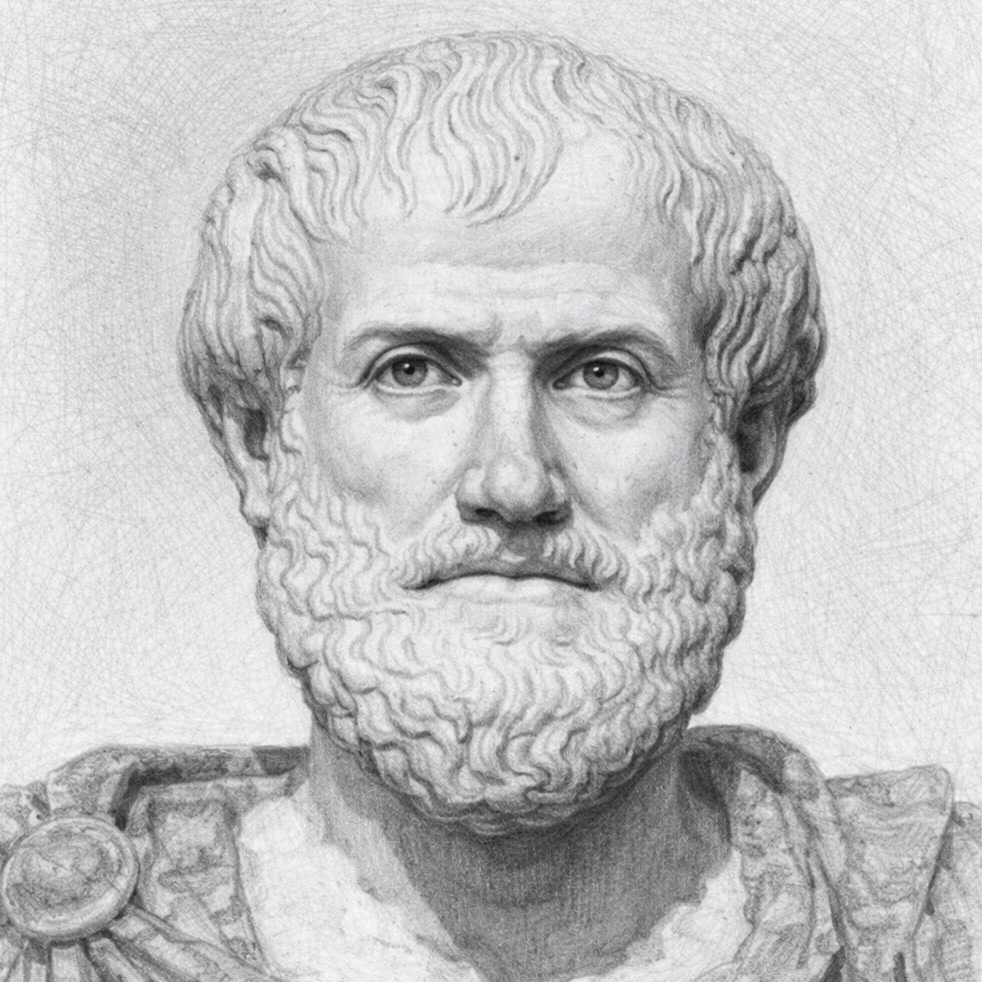
Aristotle
COMMUNICATIONS: “The proofs furnished by the speech are of three kinds. The first depends upon the moral character of the speaker, the second upon putting the hearer into a certain frame of mind, the third upon the speech itself, in so far as it proves or seems to prove.” – About 367-347 BC
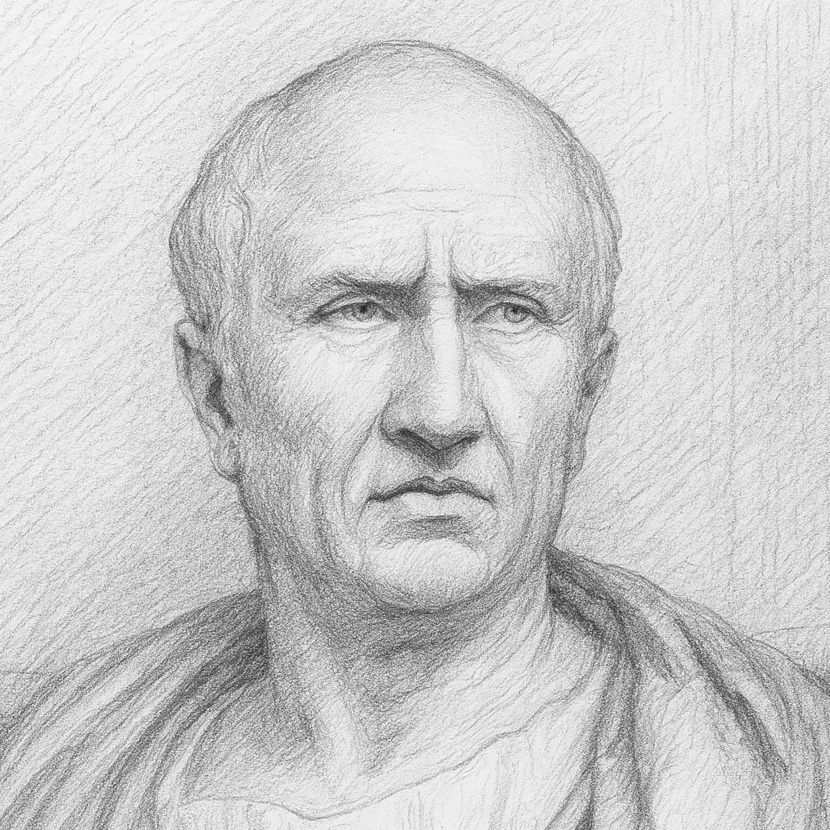
Cicero
WISDOM: “The foremost of all virtues is wisdom … for by prudence we understand the practical knowledge of things to be sought for and of things to avoid. – 44 BC
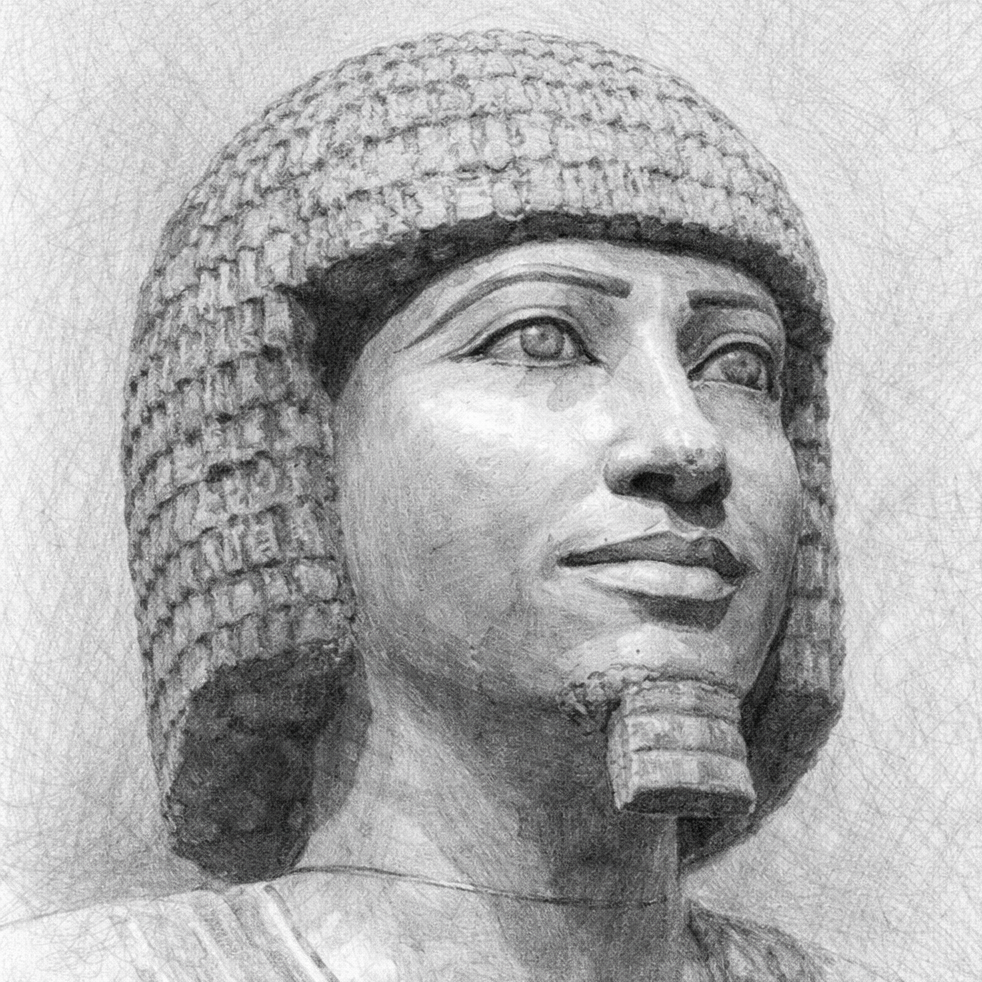
Ptahhotep
ETHICS: “Endeavour always to be gracious, that thine own conduct be without defect …If thou desire that thine actions may be good, save thyself from all malice, and beware of the quality of covetousness, which is a grievous inner malady.” – About 2400 BC
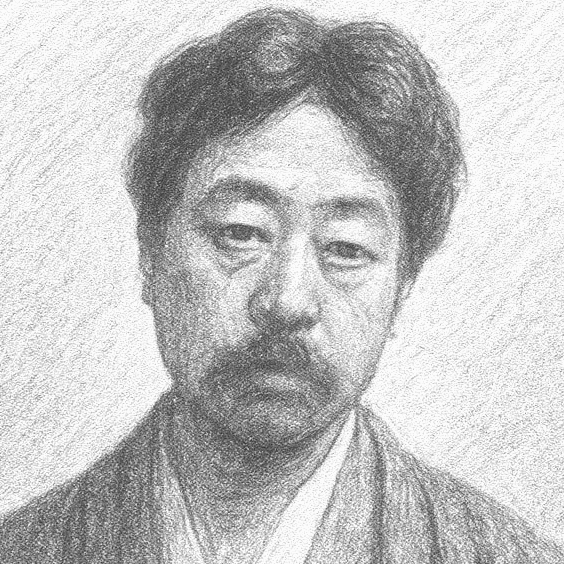
Okakura Kakuzō
ADAPTABILITY: “The art of life lies in a constant readjustment to our surroundings.” – 1906
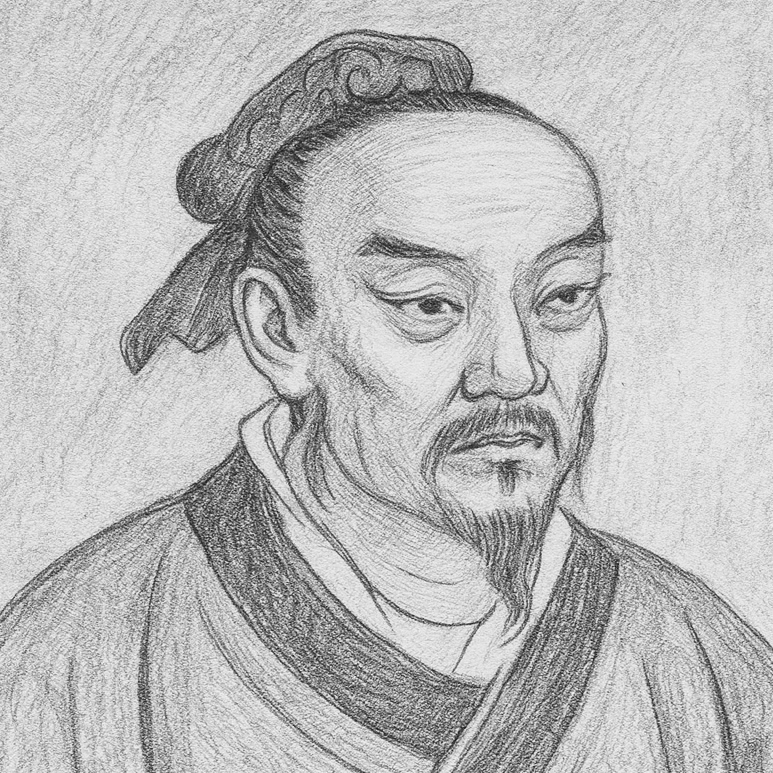
Mencius
SELF-IDENTITY: “Those who follow that part of themselves which is great become great men; those who follow that part which is little become little men.” – 4th Century BC