


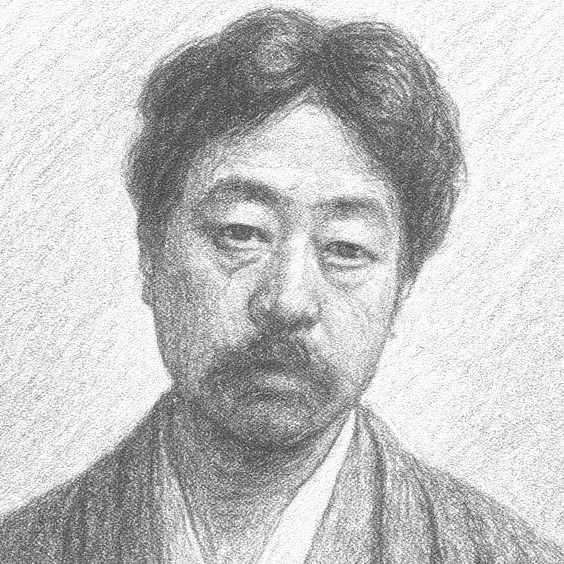
Okakura Kakuzō
1863 – 1913
Japanese cultural theorist and aesthetic philosopher who interpreted Taoist ideas of harmony, adaptability and change
The art of life lies in a constant readjustment to our surroundings.
A Resilient Spirit
In an environment of constant, accelerating change, embrace an adaptive mindset
Why this matters: In the AI era, many work skills can quickly become obsolete. An adaptive mindset is your ultimate survival strategy. You can transform disruption into opportunity. By embracing constant readjustment, you ensure that your value isn’t tied to a specific tool, but to your capacity to evolve.
Mini-tool: Lens Adjustment
Resilience isn’t about “toughing it out.” It’s about reframing your field of view. By practicing a shift in thinking from Threat -> Fact -> Opportunity, you are rewiring your brain to be adaptable rather than defensive. In working with AI, think about adjusting the view on your camera.

Telephoto setting
Zoom in on the AI change you are worried about and describe it as a threat.
Normal view
Take an objective look and strip away the fear. What is the actual, neutral fact of the situation?
Wide angle
Look at the big picture to find the opportunity. If the “neutral fact” is true, what advantage can you offer?
Try it
Pick an AI capability that makes you worry about your future value in your career and look at it through three different lenses:
Example: Career goal to be a marketing director for a company
Zoom in Threat: “AI tools can now automate the writing and strategy tasks I spent years learning. My current skillset is depreciating in value, and I could be replaced by a cheaper, faster workflow if I do not evolve.”
Objective perspective Fact: “The reality is that the cost of producing average-quality text and market tactics has decreased.”
Panoramic view Opportunity: “Since the cost of average-quality content is small, I now have the opportunity to expand my skills and provide more valuable services in my work, including project coordination, quality control, team building and perspectives grounded in relationships, context and accountability.”